Recovery & classes
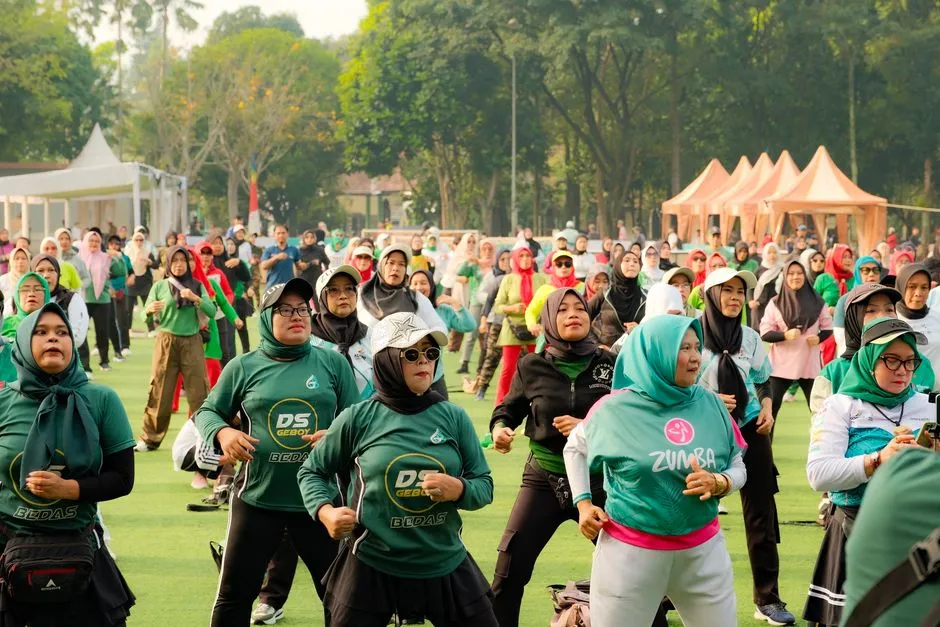
Zumba dance: what a class is like and what it does for you
 By Pema Sherpa, women’s training lead, 6 years training members
Updated
In short
- Zumba dance is a group fitness class: simple Latin and pop dance steps to loud music, led by an instructor you copy.
- Research says it improves aerobic fitness. On its own it does little for body weight, so pair it with strength training and a small calorie deficit.
- Two classes and two strength sessions a week is a solid start. Class times are on the timetable.
Zumba dance is a group fitness class where you copy an instructor through simple dance steps to loud Latin and pop music. It is good for your heart and lungs and easy to stick with because it does not feel like a workout. It is not, on its own, a weight-loss plan. Here is what a first class is like, what the research actually shows, and how to build a week around it.
What is Zumba dance?
Zumba is a branded dance-fitness format. The instructor runs a set of songs, and each song has its own short routine built from a few steps that repeat: salsa, merengue, cumbia, reggaeton and plenty of plain marching and side-stepping.
There is no talking-through like in a dance school. The instructor cues with hands and body, and you follow. If you have danced through a Teej afternoon, you already have most of the skill needed.
What happens in your first Zumba class
- Arrive 10 minutes early. Tell the instructor it is your first time. They will often show you the low-impact version of the moves.
- Warm-up song. Slow steps, arm swings, easy marching.
- The main block. Faster songs, one after another, with a slower one now and then to let your breathing settle.
- Cool-down and stretch. One or two slow songs.
You will get lost. Everybody does for the first two or three classes. When it happens, keep your feet moving on the spot and join again at the next chorus. After a few classes the routines start to feel familiar.
Check the length of each class on the timetable before you go, so you can plan around office hours.
What the research says about Zumba
The evidence is decent for fitness and weak for weight.
| Question | What studies found | Source |
|---|---|---|
| Does it improve fitness? | Yes. A review of 11 studies with 586 people found Zumba improves aerobic capacity (how much oxygen your body can use). | Vendramin et al., 2016 |
| How big is the fitness gain? | A 2020 meta-analysis found a moderate effect on peak oxygen uptake (effect size 0.53). | Chavarrias et al., 2020 |
| Does it reduce body fat? | The same meta-analysis found a small fall in fat mass (effect size -0.25) that was not statistically significant. | Chavarrias et al., 2020 |
| Does it build strength? | Limited evidence. | Vendramin et al., 2016 |
In plain words: after a few months of Zumba you will likely climb stairs with less puffing. Your weighing scale may not move much unless something else changes too.
Myth vs fact
Myth: every Zumba class burns a fixed, large number of calories.
Fact: calorie burn depends on your body size, how hard you move, and how long the class lasts. A heavier person working hard burns more than a lighter person marching at the back. Treat any single number on a poster as a guess.
Myth: you need to be able to dance.
Fact: you need to be able to march and step side to side. The rest comes with repetition.
How to use Zumba for fat loss
Fat loss comes from eating a little less than you burn, week after week. Exercise helps, and it helps more when it includes strength work.
- Work out your numbers first. Use the calorie calculator to see roughly how much you burn in a day.
- Keep the deficit small. A plate of dal bhat with a little less rice and a bit more dal and saag is a better daily habit than skipping dinner. Our diet plan for weight loss has Nepali meal examples.
- Add strength training. The ACSM advises beginners to train with weights 2 to 3 days a week, using a weight you can lift 8 to 12 times (ACSM, 2009). Muscle keeps your body shape and strength while you lose weight. Start with our strength training guide.
- Watch festival weeks. Dashain and Tihar bring sel roti, meat and sweets every day. Keep going to class, and accept that the scale will pause for a week or two.
A weekly plan with Zumba and strength training
WHO advises adults to do 150 to 300 minutes of moderate activity a week, plus muscle-strengthening work on 2 or more days (WHO 2020 guidelines). This plan covers both.
| Day | Session |
|---|---|
| Sunday | Zumba class |
| Monday | Strength: squats, push-ups (on a bench if needed), rows, 2 to 3 sets of 8 to 12 |
| Tuesday | 30-minute brisk walk |
| Wednesday | Zumba class |
| Thursday | Strength: same as Monday, add a little weight if the last reps felt easy |
| Friday | Rest or an easy walk |
| Saturday | Rest, or a second walk |
Want more cardio variety later? Swap one Zumba class for a short HIIT session once you have a few weeks of regular training behind you.
What to wear and bring
- Shoes: indoor trainers with a fairly smooth sole, so you can turn on the spot. Heavy-grip running shoes can catch on the floor and twist the knee.
- Clothes: anything you can sweat in and lift your knees in. A sports bra for women helps with all the bouncing.
- Water and a small towel. You will sweat, even on a cold Kathmandu winter morning.
- Skip jewellery. Bangles and long earrings get in the way.
Who should not start with Zumba
Zumba is not the best first step for everyone.
- Knee or ankle pain, or a recent sprain: the quick turns and jumps can flare it up. See a physiotherapist first, then try the low-impact versions.
- Pregnancy: many women keep dancing, but ask your doctor first and tell the instructor.
- If you want to build muscle or get strong: a dance class will not do that. A weights plan will.
- If loud music and crowds stress you out: a quiet gym session or a walk may suit you better, and that is fine.
See a doctor before starting if you have a heart condition, get chest pain or dizziness when you exercise, or have been told to limit activity.
Where to try Zumba in New Baneshwor
Class times are on our timetable. For changing rooms, classes and what else is on offer for women, see the ladies gym and classes.
Want a plan built around this? The ladies gym and classes, or work out your numbers with the calorie calculator.
Sources
- Vendramin et al., PM&R: Health benefits of Zumba fitness training, a systematic review, 2016
- Chavarrias et al., IJERPH: Zumba and health, a systematic review and meta-analysis, 2020
- Bull et al., BJSM: WHO 2020 guidelines on physical activity and sedentary behaviour, 2020
- ACSM position stand: Progression models in resistance training for healthy adults, 2009

Pema Sherpa, women’s training lead. Pema leads the ladies-only morning hour and trains members who ask for a woman trainer.
Published 29 October 2026 · Updated 29 October 2026