Muscle gain
Weight gain foods: high calorie Nepali foods, with calories per serving
 By Ritu Maharjan, nutrition coach, 5 years training members
Updated
Reviewed by: Qualified nutrition professional (to be named)
In short
- The best weight gain foods pack a lot of calories into a small portion and bring protein with them: badam, til, chiura, buffalo milk, paneer, eggs, bhatmas, dhindo and a second helping of rice.
- 30 g of roasted badam gives 171 kcal and 7.9 g protein. A samosa gives 179 kcal and 2.8 g protein.
- Add 300 to 600 kcal a day with easy extras, and check your target with the calorie calculator.
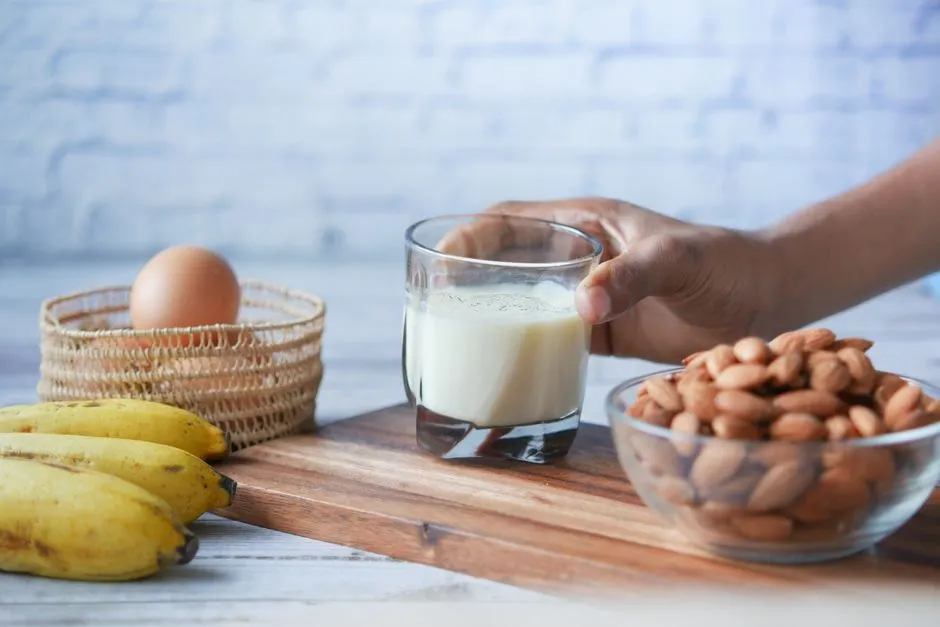
The best weight gain foods are the ones that pack a lot of calories into a small portion and bring some protein with them: roasted badam, til, chiura, buffalo milk, paneer, eggs, bhatmas, dhindo and a second helping of rice. You do not need imported foods or a shake. You need to eat more of what is already in the kitchen, every day.
The table below gives calories and protein per serving for Nepali and everyday foods, then what to skip and how to add 300 to 600 kcal without forcing down a giant plate.
This is general guidance for healthy adults. If you are losing weight without trying, see a doctor before you change your diet.
How much extra food do you need?
Aim for about 10 to 20% more calories than you burn, and a gain of about 0.25 to 0.5% of your body weight a week (Iraki et al., 2019). If you maintain on 2,500 kcal, that is 250 to 500 kcal extra. Our calorie calculator gives an estimate of your maintenance number.
High calorie foods for weight gain: Nepali table per serving
Values are from the Nepal Food Composition Table (DFTQC 2012) and the Indian Food Composition Tables (IFCT 2017, used for boiled egg and chicken). Serving sizes are our assumptions, so weigh your own portion if you want exact numbers; DFTQC says its values are a rough guide, within about ±10%.
| Food | Serving | Calories | Protein |
|---|---|---|---|
| Buff momo | 1 plate, 10 pieces (250 g) | 538 kcal | 29.2 g |
| Cooked rice (bhat) | 1 plate (250 g) | 322 kcal | 6.2 g |
| Dhindo | 1 serving (250 g) | 278 kcal | 7.0 g |
| Buffalo milk | 1 glass (250 g) | 262 kcal | 10.8 g |
| Bhuteko makai (roasted maize) | 50 g kernels | 186 kcal | 6.0 g |
| Chiura | 50 g | 173 kcal | 3.3 g |
| Badam (roasted peanuts) | 30 g, shelled | 171 kcal | 7.9 g |
| Sakarkhand, boiled | 150 g | 171 kcal | 1.5 g |
| Cow milk | 1 glass (250 g) | 168 kcal | 8.0 g |
| Chicken breast | 100 g raw weight | 168 kcal | 21.8 g |
| Paneer | 50 g | 166 kcal | 11.8 g |
| Bhatmas (soybean) | 30 g | 123 kcal | 10.0 g |
| Dahi | 1 bowl (200 g) | 120 kcal | 6.2 g |
| Banana | 1 medium (100 g edible) | 116 kcal | 1.2 g |
| Chaku | 30 g | 114 kcal | 1.2 g |
| Til (sesame) | 1 tbsp (15 g) | 90 kcal | 3.9 g |
| Roti | 1 roti (40 g) | 87 kcal | 3.2 g |
| Egg, boiled | 1 egg (50 g) | 74 kcal | 6.7 g |
| Ghee | 1 tsp (5 g) | 45 kcal | 0 g |
Per 100 g, the most calorie-dense items in the Nepal table are ghee (900 kcal), til (599), roasted badam (570), khuwa (421), dry soybean (411) and chiura (346). That is why a handful of badam does more than a big bowl of fruit.
Healthy surplus vs junk surplus
Fried snacks and sweets are calorie-dense too. The problem is what comes with the calories: lots of fat and sugar, very little protein. Compare similar calorie loads (DFTQC 2012):
| Junk choice | Calories | Protein | Better swap | Calories | Protein |
|---|---|---|---|---|---|
| 1 samosa (60 g) | 179 kcal | 2.8 g | 30 g badam | 171 kcal | 7.9 g |
| Jeri (50 g) | 222 kcal | 1.2 g | 30 g chaku and 1 tbsp til | 204 kcal | 5.1 g |
| 1 packet Wai Wai (75 g, check your packet) | 357 kcal | 5.8 g | 50 g chiura and 200 g dahi | 293 kcal | 9.5 g |
| Pakauda (100 g) | 361 kcal | 5.4 g | 2 eggs and 2 roti | 322 kcal | 19.8 g |
The WHO advises keeping free sugars below 10% of daily calories and trans fat below 1% (WHO healthy diet fact sheet, 2026). A samosa with chiya now and then is fine. A samosa as your weight gain plan is not.
Easy ways to add 300 to 600 kcal a day
Pick two or three. Each is small enough that you will not dread it.
- Glass of buffalo milk at night: +262 kcal, +10.8 g protein
- 30 g badam at the office: +171 kcal, +7.9 g protein
- 1 tsp ghee on both bhat meals: +90 kcal
- Second half plate of rice: +161 kcal
- 2 boiled eggs with morning chiya: +148 kcal, +13.4 g protein
- Chiura and dahi for khaja instead of biscuits: 293 kcal, 9.5 g protein
- Til and chaku in winter (Maghe Sankranti foods): 1 tbsp til and 30 g chaku give 204 kcal
If you cannot face big portions, eat five times a day instead of three. A glass of milk or lassi between meals is another way to add calories when your appetite is low.
Do you need protein while you gain?
Yes, or more of the extra weight will be fat. People who train do well on about 1.4 to 2.0 g of protein per kg of body weight a day (Jäger et al., 2017). Our daily protein requirement guide shows how to reach 100 g or 130 g with Nepali food. For a full week of meals, see the weight gain diet plan.
Food alone builds weight, not muscle
Extra food with no training mostly adds fat. Lift weights 2 to 4 times a week and add a little weight or a rep each week (strength training for beginners). If you want a coach to set the plan and check your weight every few weeks, see building muscle with a trainer. If you already train and simply forget to eat, save your money: put a jar of badam on your desk.
When to see a doctor
See a doctor before trying to gain weight if you are losing weight without trying, have a poor appetite that lasts, have diarrhoea, diabetes or a thyroid condition, or have had an eating disorder. A doctor can check for a cause before you add food.
Want a plan built around this? Build muscle with a trainer, or work out your numbers with the calorie calculator.
Sources

Ritu Maharjan, nutrition coach. Ritu turns a member’s goal into meals that fit dal bhat, office canteens and family festivals. Medical diets go to a doctor.
Published 29 October 2026 · Updated 29 October 2026 · Reviewed by Qualified nutrition professional (to be named)